
Let me explain
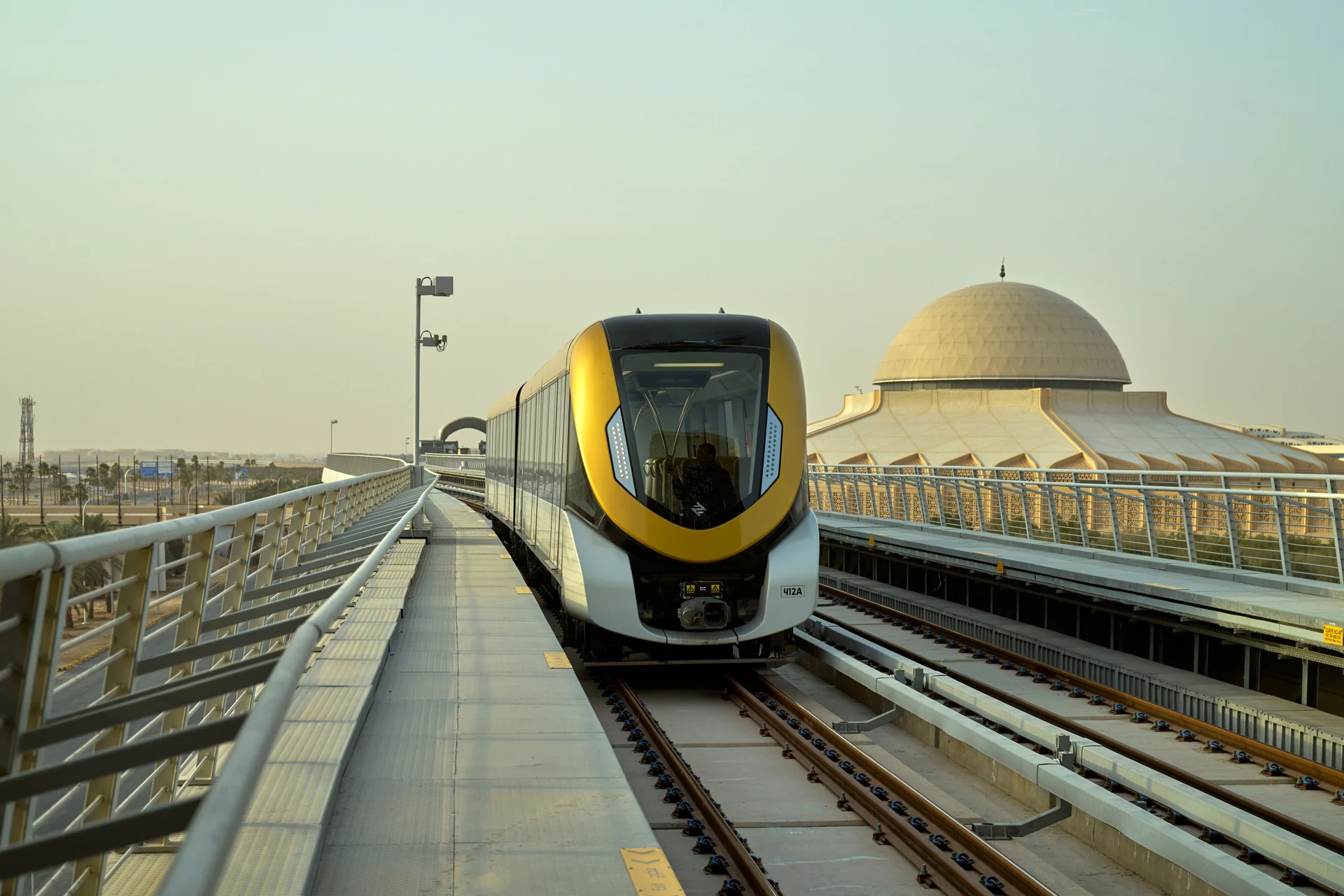
Alstom has signed a contract worth approximately €460 million with the Royal Commission for Riyadh City (RCRC) to supply additional driverless metro trains for Lines 3, 4 and 6 (the Orange, Yellow and Purple Lines) and integrate them into the existing infrastructure, the company announced on 6 November 2026. The new vehicles expand the existing fleet to increase capacity and enable more frequent services as demand grows. Alstom will maintain them under the existing operation and maintenance contract for the three lines. The order builds on the 116 driverless trains Alstom has already delivered for the Riyadh Metro network, which entered passenger service in late 2024. The new trains will run on the fully automated network, including the Yellow Line, which will serve World Expo 2030, combining Alstom's Metropolis driverless trains with its Urbalis CBTC signalling. What it means for engineers: adding trains to a network that is already running means integrating them with the existing signalling and automated operation systems, which is what allows more trips at peak hours and shorter waiting times. What is the biggest engineering challenge in adding new trains to a fully driverless metro network?
One message every morning, a one-minute read: the key Saudi engineering project, what's new in it, and what you can take from it for your work.
Join Engineers Talk on Telegram